


5 Steps to Create a Culture of Reading in the Home (Easy Guide for Families)

Reading isn’t just a school subject: it’s a superpower. It’s the key that unlocks imagination, builds empathy, and creates a foundation for lifelong success. But for many families, especially in our busy modern world, making reading a "culture" at home can feel like a tall order. We often think of reading as a chore or homework, something to be checked off a list.
At The Bookshelf Project, we believe that reading should be a source of joy and a point of connection. Research shows that children with greater access to print materials in their homes express more enjoyment of books and achieve better academic outcomes. But it’s not just about having the books; it’s about the environment we build around them.
Whether you’re a parent, a grandparent, or a caregiver, you have the power to transform your home into a sanctuary of stories. Here are five easy, evidence-based steps to help you create a vibrant culture of reading in your home.
1. Create a Dedicated Reading Space
The first step to making reading a habit is making it visible. If books are tucked away in a dark closet or high on a shelf where little hands can’t reach them, they’ll likely be forgotten. Creating a "reading nook" or a dedicated space signals to your child that reading is a special, valued part of your home.
It doesn’t have to be fancy. A comfortable corner with a few pillows, a soft rug, and: most importantly: a bookshelf at your child’s eye level is all you need. The goal is to make the space inviting and accessible. When a child can see the colorful spines of their favorite stories, they are much more likely to pull one down and start flipping through the pages on their own.

At The Bookshelf Project, this is exactly why we focus on delivering complete in-home library setups. We know that when a child has their very own bookshelf filled with books they own, it changes their relationship with literacy. It moves reading from a "school thing" to a "home thing."
Pro-tip: Let your child help decorate the space. Let them choose which books go where or add a favorite stuffed animal "reading buddy" to the corner. The more ownership they feel over the space, the more they’ll want to use it.
2. Fill Your Shelves with "Mirrors and Windows"
Not all books are created equal. To foster a true love of reading, children need to see themselves reflected in the stories they read (mirrors) and learn about the world beyond their own experiences (windows).
For Black and brown children, representation is incredibly powerful. When a child sees a character who looks like them, shares their hair texture, or lives in a community like theirs, it validates their identity and makes the story more engaging. It tells them, "Your story matters. People like you do amazing things."
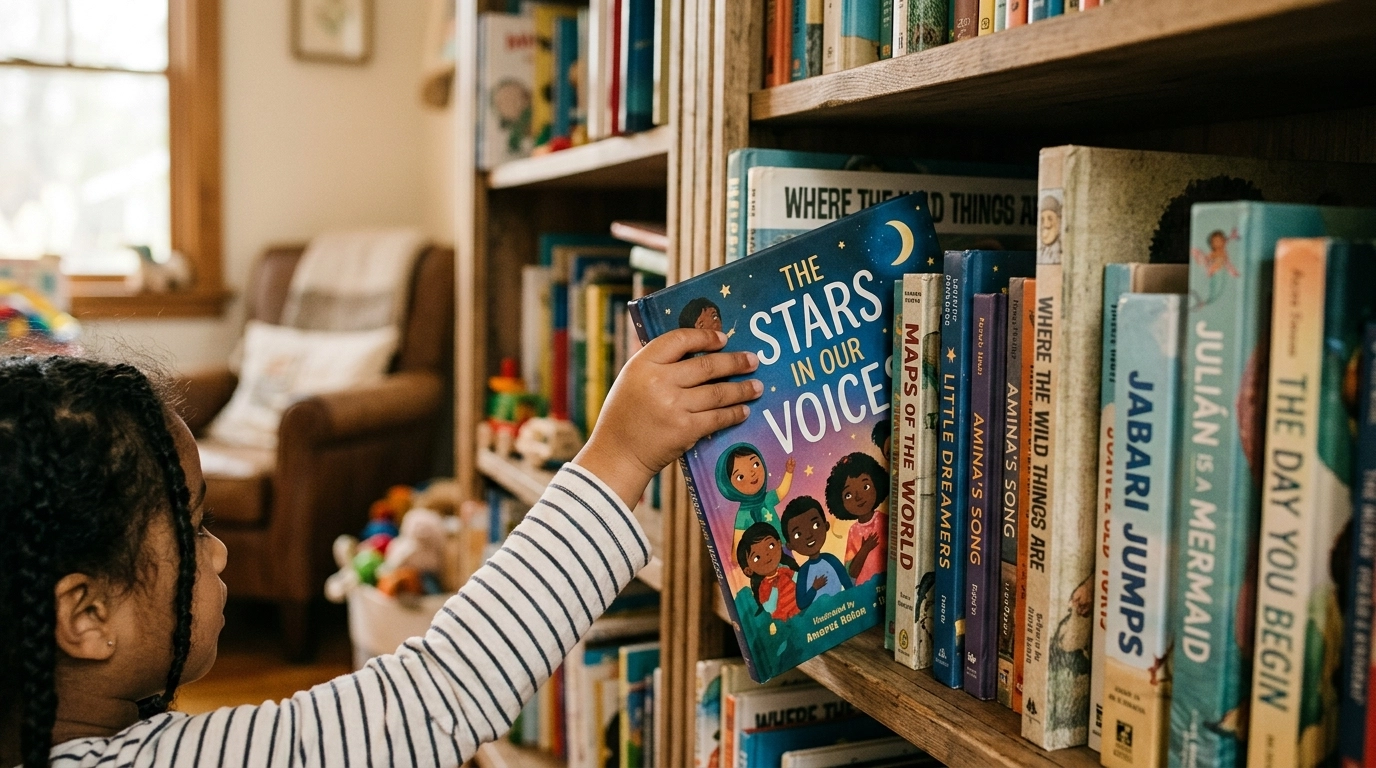
When selecting books for your home library, look for:
Diverse Authors and Illustrators: Supporting creators from different backgrounds ensures the stories are authentic.
A Variety of Genres: Don’t just stick to picture books. Include graphic novels, poetry, magazines, and even cookbooks.
Culturally Relevant Themes: Books that celebrate heritage, history, and everyday joys in diverse communities.
If you’re looking for a place to start, check out our mission at The Bookshelf Project. We specifically curate books that celebrate the beauty and brilliance of Black and brown children, ensuring they have access to stories that resonate with their lives.
3. Model the Behavior (Be the Reader You Want Them to Be)
Children are like sponges; they watch everything we do. If they never see the adults in their lives reading for pleasure, it’s hard for them to understand why they should do it.
You don’t have to be a speed-reader or a literary scholar to be a reading role model. It can be as simple as:
Picking up a book or magazine during your morning coffee.
Reading a recipe out loud while you cook.
Talking about an interesting article you saw online.
Letting them see you enjoy a novel before bed.
When children see you excited about a story, they get curious. They start to realize that reading isn't just something you do to pass a test: it's something you do to relax, learn, and have fun. If you’re reading on a device, like a phone or tablet, tell them what you’re doing! Say, "I’m reading a really cool story about a person who traveled across the ocean." This helps them understand that the screen is being used for reading, not just scrolling.
4. Turn Reading into a Conversation
Reading isn't just a quiet, solitary activity. In fact, some of the best literacy development happens through talking. Storytelling and conversation are the bridges that connect the words on the page to a child’s real-life experiences.
Instead of just reading the words and turning the page, try "dialogic reading." This is just a fancy way of saying "having a conversation about the book."
Ask Open-Ended Questions: Instead of asking "What color is the dog?", try asking "Why do you think the dog looks so happy?"
Make Connections: "This character is going to the park. Remember when we went to the park last Saturday?"
Predict the Future: "What do you think is going to happen when they open that door?"
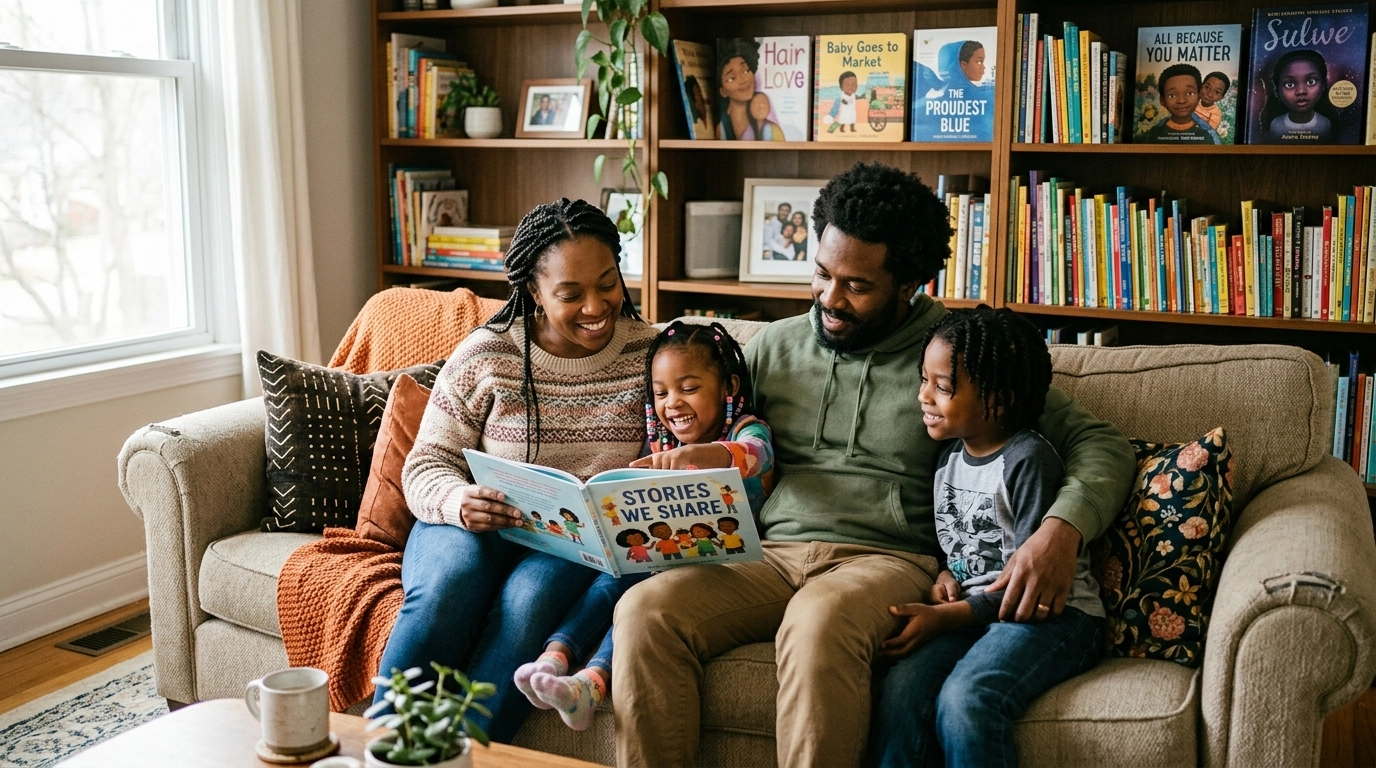
Beyond books, tell family stories. Share memories of your own childhood or stories passed down from your grandparents. Oral storytelling builds vocabulary and narrative skills just as effectively as reading from a page. It also strengthens the bond between you and your child, making the "culture of reading" feel like a "culture of connection."
5. The Power of 15 Minutes: Make Consistency Key
Life is busy. Between work, school, chores, and extracurriculars, finding an hour to read every day can feel impossible. The good news? You don’t need an hour.
The "15-minute rule" is a game-changer. Research suggests that reading for just 15 minutes a day can significantly improve a child’s vocabulary and reading comprehension over time. The key isn't the duration; it's the consistency.
Try to find a "sacred" time for reading that fits your family’s rhythm:
The Bedtime Routine: The classic choice. It’s a great way to wind down and end the day on a positive note.
The Commute: If you take the bus or train, that’s 15 minutes of prime reading time.
After-School Snack: Use those 15 minutes while they’re eating to read a chapter of a book out loud.
Morning Cuddles: Start the day with a short story before everyone heads out the door.
By making it a daily habit, you take the pressure off. Some days you might read for 30 minutes, and other days you might only manage 5: and that’s okay. The goal is to make reading a natural, expected part of the day, just like brushing your teeth or eating dinner.
Building a Brighter Future, One Book at a Time
Creating a culture of reading at home is one of the greatest gifts you can give your child. It builds their confidence, expands their horizons, and prepares them to navigate the world with curiosity and intelligence.
At The Bookshelf Project, we are dedicated to ensuring that every child, regardless of their background, has the resources they need to build this culture. We work with community partners to identify families and deliver complete bookshelf setups filled with culturally relevant books that kids can keep forever.
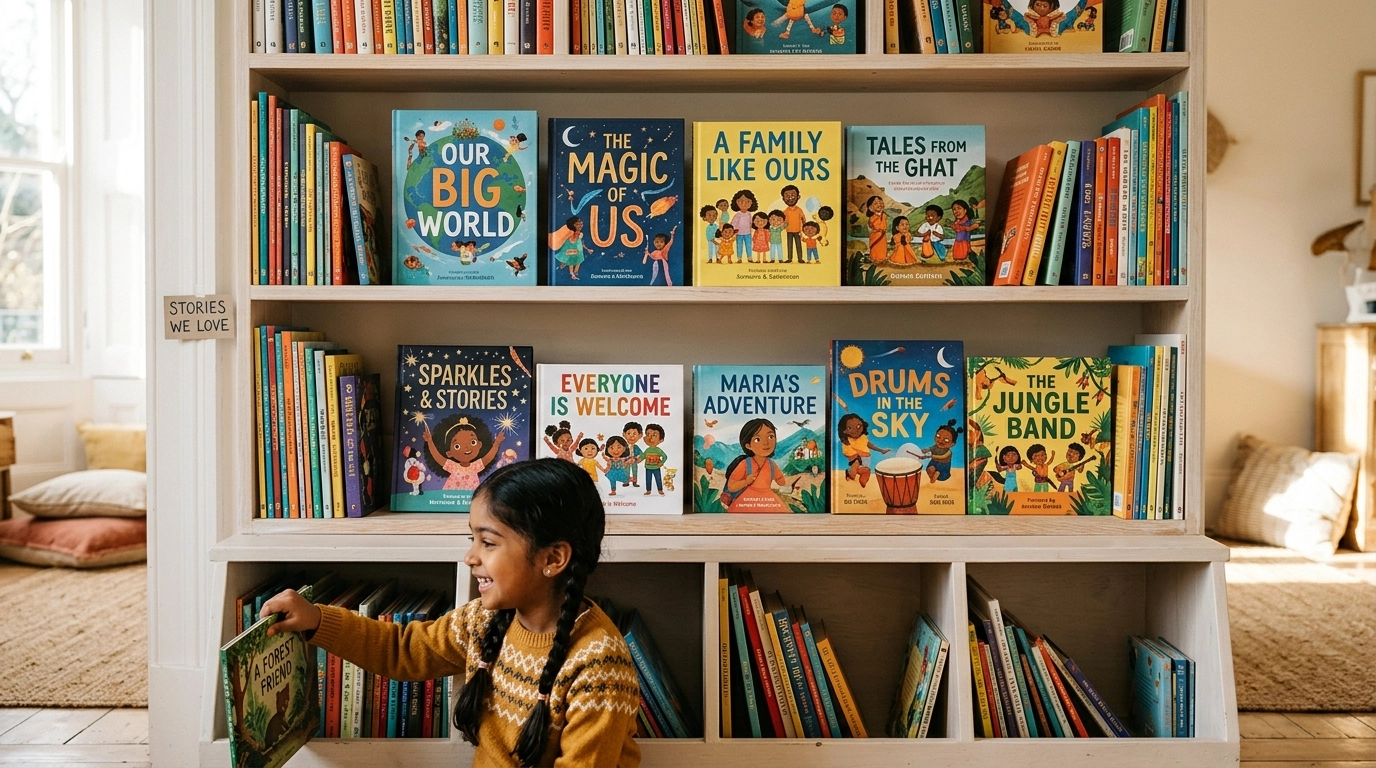
Literacy equity isn't just about teaching kids how to read; it's about giving them the access and the environment to fall in love with it. By following these five steps, you’re not just helping your child with their homework: you’re building a foundation for a lifetime of learning and joy.
Ready to help us bring more libraries to more homes? Visit our website to learn how you can donate, volunteer, or get involved in our mission to close the achievement gap through book access. Let's make sure every child has a shelf to call their own.
Comments