


Picking Books for Black Boys: Why Representation Matters More Than Ever

Updated: Apr 17
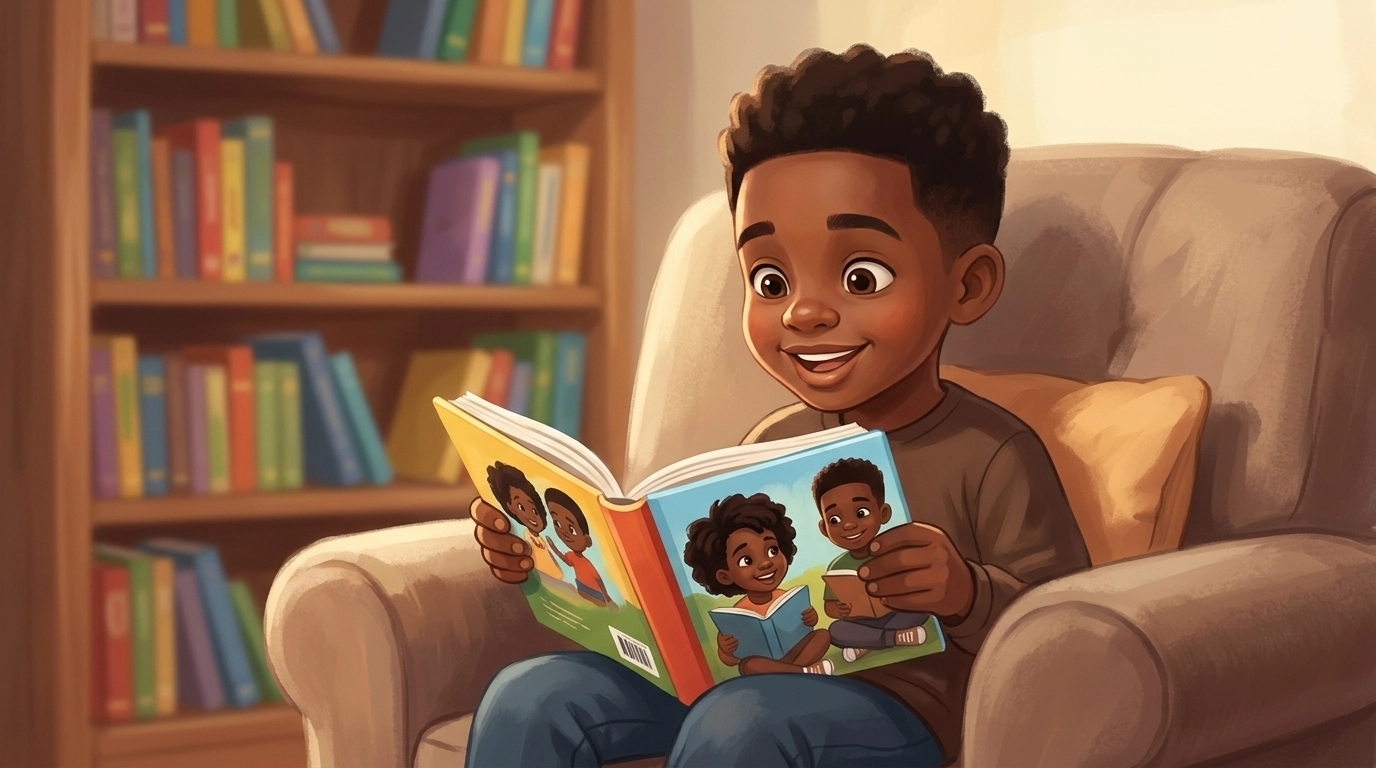
Think back to your favorite book as a kid. Was it the adventure that hooked you? The magic? Or was it that feeling of seeing someone who lived a life just like yours?
For a lot of us, books were our first look at the world outside our front doors. But for many Black boys, that look in the mirror has been missing for a long time. When you walk into a library or a bookstore, you want to see yourself as the hero, the scientist, the dragon-slayer, or just the kid having a normal day.
At The Bookshelf Project, we see every day how a single book can change a child's trajectory. But it can’t just be any book. For Black boys specifically, representation isn't just a "nice to have": it’s a critical component of literacy, identity, and future success.
Mirrors, Windows, and Sliding Glass Doors
There’s a famous concept in education called "Mirrors, Windows, and Sliding Glass Doors," coined by Dr. Rudine Sims Bishop.
Mirrors are books where children see themselves reflected. They affirm a child's identity and tell them, "You matter. Your story is worth telling."
Windows offer a view into someone else’s life. They build empathy and understanding for people who are different from us.
Sliding Glass Doors are the books that allow children to step into a different world and experience it firsthand.
For too long, Black boys have had plenty of windows into other people's lives but very few mirrors. When a child constantly reads stories where the "main character" doesn't look like them, they subconsciously start to believe that they aren't meant to be the lead in their own life.
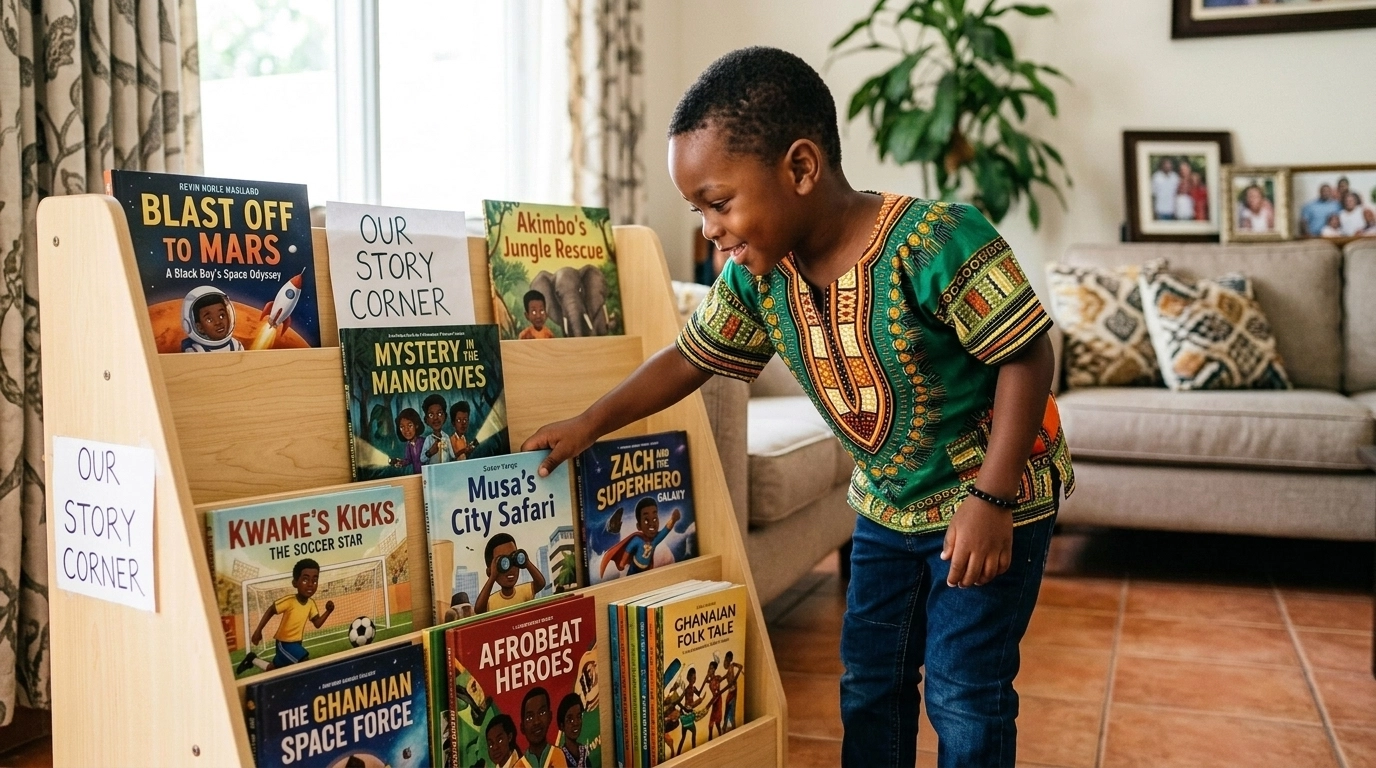
The Literacy Link: Why It Boosts Reading Scores
It’s not just about "feelings." There is hard evidence that representation directly impacts literacy outcomes. Research shows that when students see people like themselves in school materials, their engagement sky-rockets. And as any parent or teacher knows, engagement is the first step toward learning.
Specifically for African American boys, access to authentic and realistic literature can deepen their understanding of the world and their place in it. This is especially true for the nearly 80% of children in special education programs who are boys of color. For these students, culturally responsive materials aren't just helpful: they are essential for overcoming reading barriers.
When a boy picks up a book and sees a character who shares his skin tone, his hair texture, and his community, he is more likely to:
Stay engaged with the story for longer periods.
Develop a love for reading that extends beyond the classroom.
Build self-confidence in his own academic abilities.
The Gap: Facing the Facts
Despite the clear benefits, the publishing world still has a long way to go. Recent statistics show that only about 6.7% to 14.4% of children's books feature Black characters in a meaningful way. While this number is slowly improving, it’s still a far cry from representing the diverse reality of our communities.
Even when Black characters do appear, they are often relegated to secondary roles or their stories are limited to "struggle narratives": books solely about slavery, the Civil Rights Movement, or trauma. While these are vital parts of history, Black boys also need to see themselves in stories about space travel, mystery-solving, and everyday family joy.
Choosing the Right Books: Beyond the Struggle
So, how do we choose the right books? If you're looking to stock a home library or donate to a local classroom, here are a few things to look for:
1. Everyday Magic and Joy
Look for books where Black boys are just being kids. Whether it’s a story about a boy learning to ride a bike, going to the barbershop, or going on a camping trip, these "everyday" stories are powerful tools for normalizing Black childhood joy.
2. STEM and Innovation
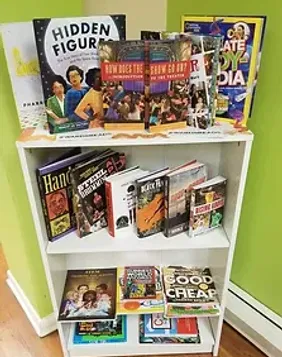
Books like Hidden Figures or stories about young Black inventors show boys that the world of science and technology belongs to them, too. It plants the seed that they can be the ones to solve the world's next big problem.
3. Authentic Voices
Try to find books written and illustrated by Black authors and artists. They bring a level of nuance and cultural authenticity that makes the story resonate more deeply.
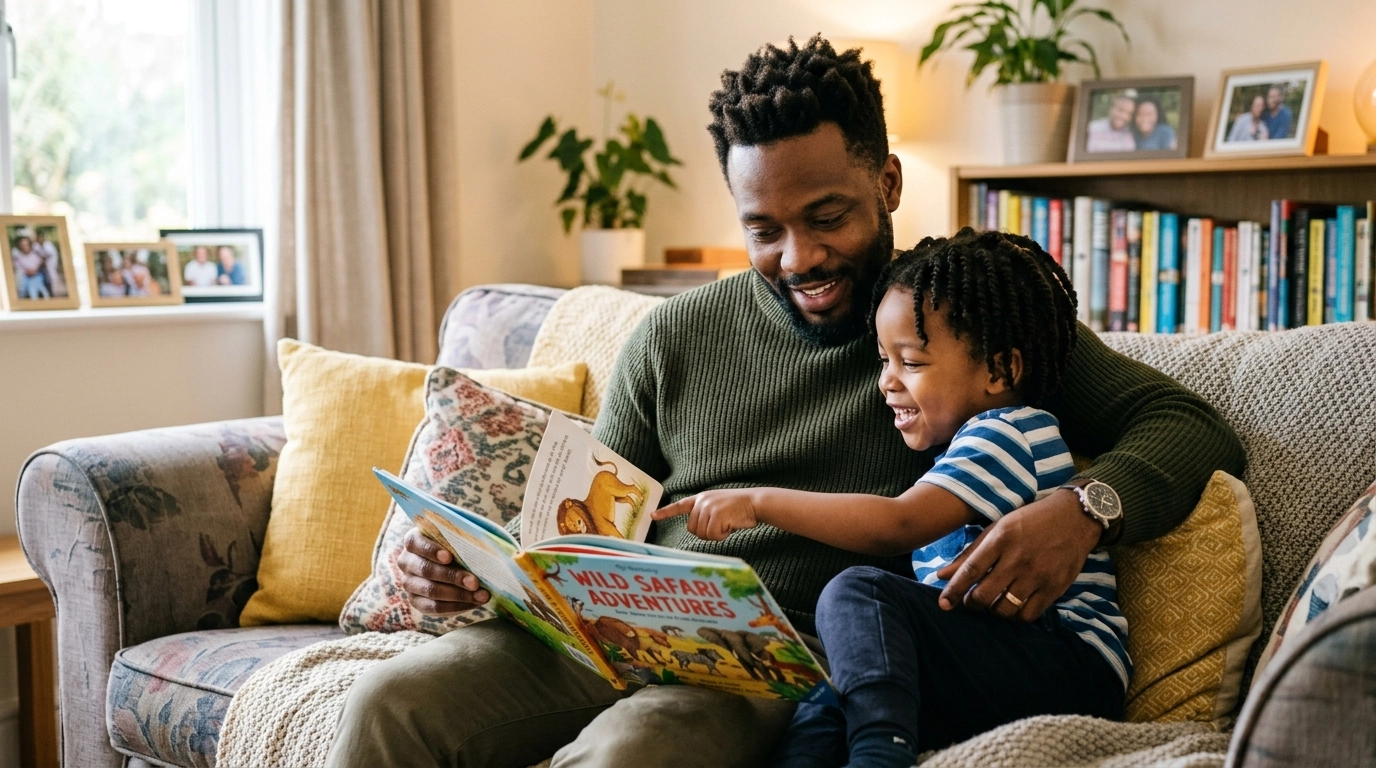
4. Positive Fatherhood
Seeing healthy, loving relationships between Black fathers and sons is incredibly important. It counters negative stereotypes and reinforces the strength of the Black family unit.
How The Bookshelf Project is Changing the Narrative
At The Bookshelf Project, we don’t just talk about the importance of books: we put them directly into the hands of the kids who need them most.
Our mission is grounded in the research that proves access to print materials is pivotal for reading development. We work with community partners to identify families in underprivileged backgrounds and provide them with a complete bookshelf setup: free of charge.
But we don't just deliver any books. We curate our selections to ensure they are culturally relevant and evidence-based. We want every child we serve to walk over to their own personal library and see a collection of "mirrors" that reflect their beauty, their brilliance, and their potential.
Building a Future, One Page at a Time
When we give a Black boy a book where he is the hero, we aren't just teaching him how to read. We are teaching him how to dream. We are showing him that his voice has power and his story has value.
The road to literacy equity is long, but it starts with a single shelf. If we want to change the outcomes for Black and brown children, we have to start by changing the stories they are told about themselves.
Want to help us get more books into the hands of children? Visit our website at www.thebookshelfproject.org to learn how you can donate, volunteer, or partner with us to build more in-home libraries. Together, we can make sure every child has a story that feels like home.
Comments